
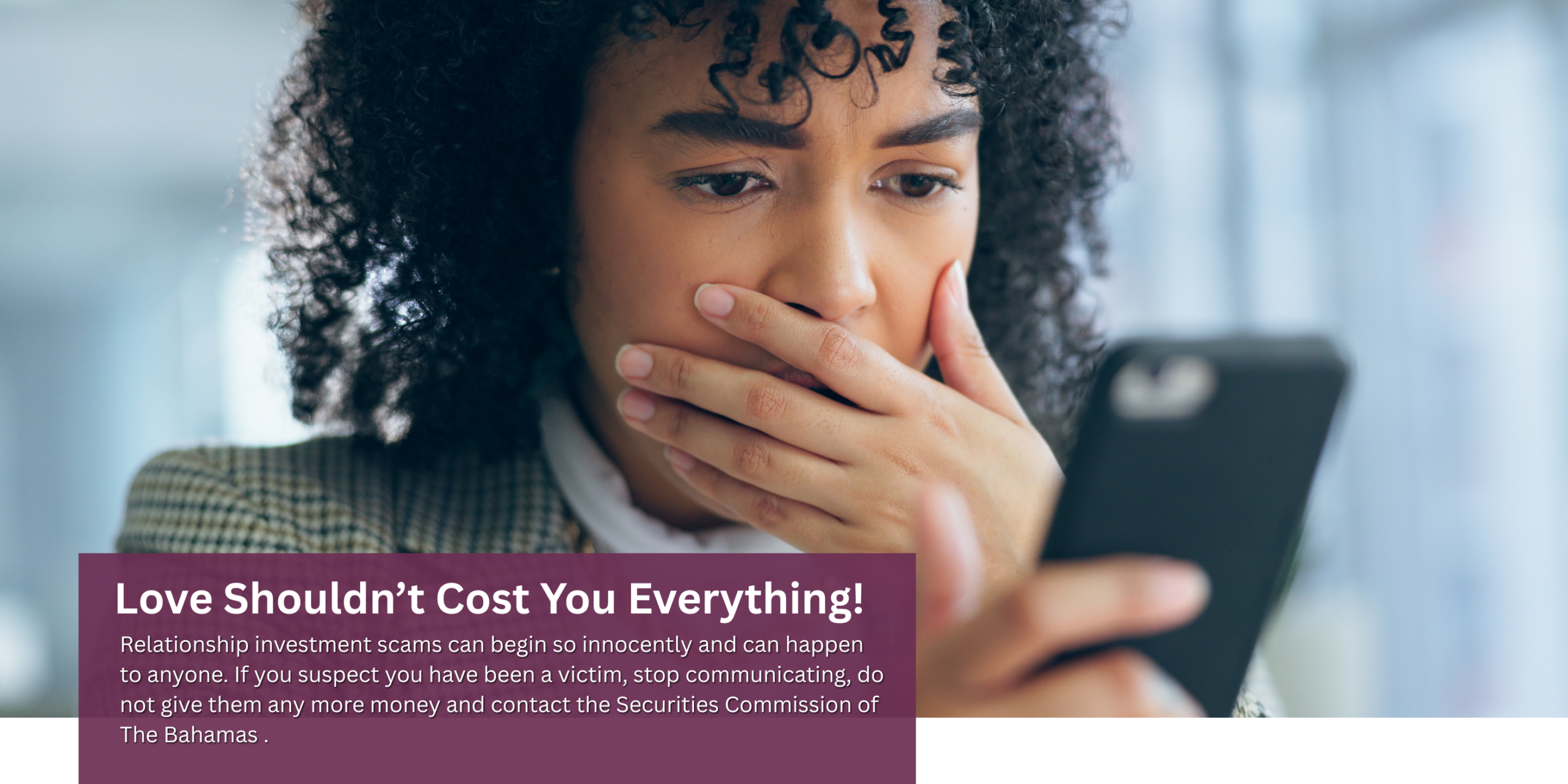
You meet a stranger online through social media or a dating app, an investment-related group chat, or even through a wrong number text message. Before you know it, you’re exchanging texts every day. You might be “love bombed” with frequent messages, calls, or develop a non-romantic relationship. But you never see each other in person. Your new friend is rich, attractive, travels, and likes everything you do. How did they become so wealthy? By investing in cryptocurrency, gold, or foreign currency. They’ll show you how to do it too.
Once you invest on their recommended app, you will see charts that indicate your investment is earning huge returns. And when you want to withdraw your money, you can’t, and you can’t reach your new online “friend” — your money is gone. Your money was never invested. The app and the huge returns you saw were all fake. These devastating scams, called relationship investment scams or romance scams, and often referred to as pig butchering by the perpetrators, leave investors brokenhearted and bankrupt. Investors are losing billions of dollars to these scams globally each year.
Relationship Investment Scams Can Impact Anyone
Relationship investment scams can happen to anyone. Scammers target a wide range of people of various ages, education levels, and professions.
Scammers try to lure individuals into their scams with promises of friendship or love. People who live alone or spend a lot of time on social media or in discussion groups tend to be more vulnerable to fraud. Be on high alert if you are widowed, divorced, or living away from family and friends. And become a fraud fighter by sharing this information with anyone you know who is in the same stage of life. They are prime targets for scammers.
These scams work on all types of people because they appeal to unmet needs or emotions, like financial stress, future hopes and dreams, excitement, or fear.
Know the Red Flags:
- The relationship moves too fast: They declare strong feelings very early on, often before meeting in person.
- They avoid meeting in person: There’s always an excuse – they’re overseas, working a lot, busy with family, in the military, on an oil rig, their internet is bad, etc.
- They may avoid video calls: If they do video call, often AI is used to create look-alike, realistic video.
- They want to move conversations from a dating app or social media site to an encrypted text messaging app: Some dating apps have message filters that can identify harmful or illegal behavior, so scammers prefer to communicate via text messages.
- They ask for money or talk about investments: This is the biggest red flag. A legitimate love interest won’t ask you for money, especially for an “investment opportunity,” early in the relationship.
- They promise high returns with little to no risk: If it sounds too good to be true, it almost always is. Legitimate investments carry risk.
- They pressure you to act quickly: They’ll create a sense of urgency, saying you’ll miss out if you don’t invest now.
- They want you to use a specific, often unknown, trading platform: They’ll guide you to a platform you’ve never heard of, where your “investments” will appear to grow rapidly, encouraging you to put in more and more money.
- They are reluctant to let you withdraw money: When you try to withdraw your “profits,” there will suddenly be technical problems, or unexpected taxes and fees you need to pay first.
- They try to isolate you: They may discourage you from discussing the “investment” with friends or family.
Outsmart the Scammers
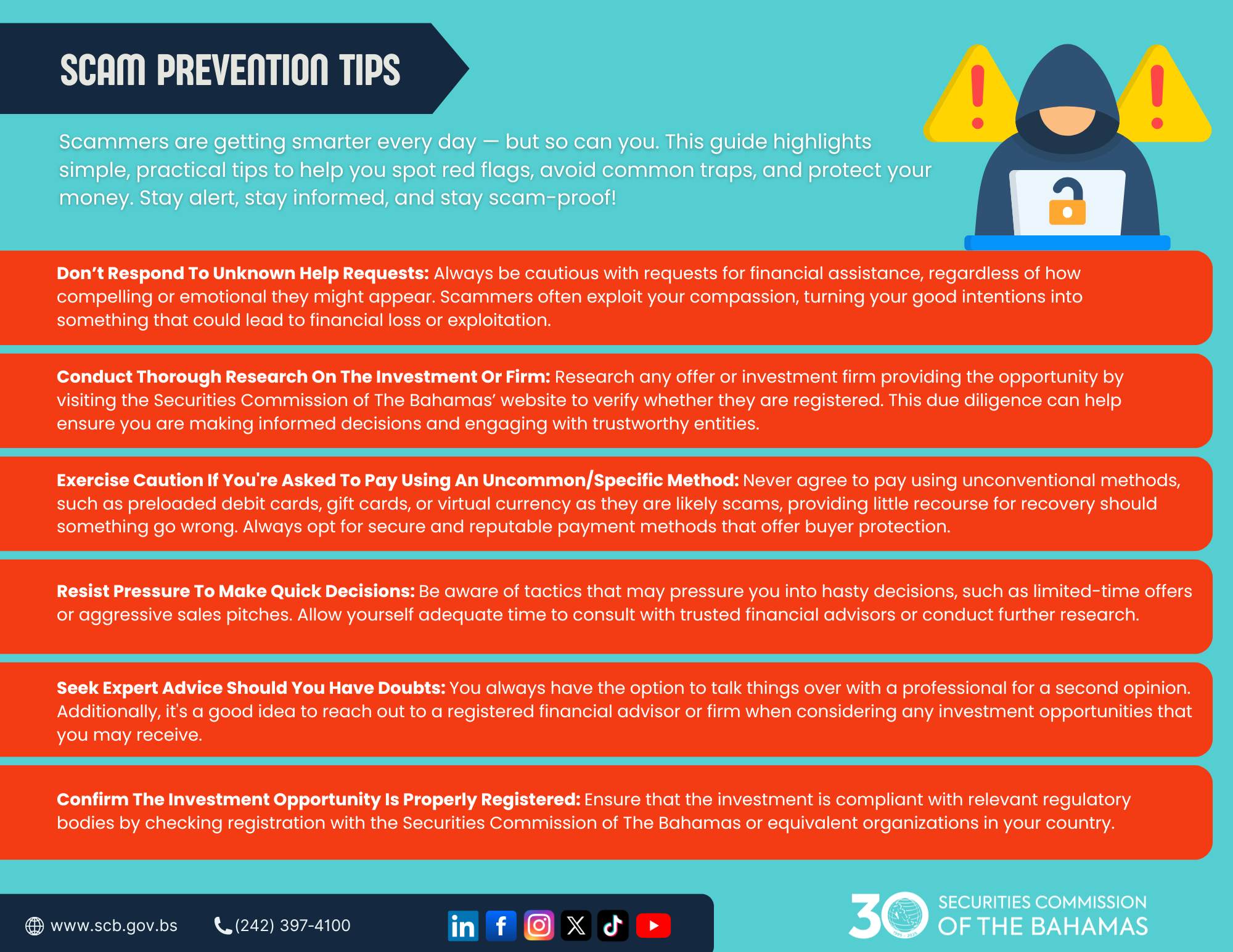
- Ignore text messages from senders you don’t know. Instead, delete, block, and report these messages.
- Don’t make investment decisions based on the advice of someone who makes unsolicited contact with you online or through an app or text message.
- Research investment opportunities thoroughly and ask questions.
- Protect information relating to your personal finances and identity. Don’t share it with someone who contacts you online, on a social media platform, or through text message.
- Never download any suspicious software or apps. These can remotely control your device and may steal your money or use your information for further fraud.
- Never pay money to recover your investment or make an upfront payment to release funds.
- If you suspect you are in a relationship investment scam, stop communicating with the individuals immediately and don’t give them any more money.
Be a Fraud Fighter
- Talk about relationship investment scams, crypto scams, and other scams you hear about with friends and family. This raises awareness, reduces the stigma of victimization, and can encourage reporting.
- Listen for warning signs, like a friend or relative talking about a new online relationship or investing in crypto for the first time.
- Host a fraud prevention event in your community.
Think You’ve Been Scammed? Report it!
Call the Commission at telephone (242) 397-4100 and our staff can discuss your complaint with you and respond to any questions you may have. You may also visit the Commission at its offices: Poinciana House, North Building, 2nd Floor, 31A East Bay Street, Nassau, The Bahamas. Staff can accept your verbal complaint and you can provide information as needed.
To submit a written complaint, download and complete the Complaint Submission Form and send the completed form and attachments to ecomplaints@scb.gov.bs. All information you provide will be treated as confidential.
Resources
Take 5 With The SCB: Frauds and Scams Red Flags
Take 5 With The SCB: About Frauds and Scams
AI or A Lie: Relationship Scams
Don’t Let Anyone Steal Your Dreams or Your Money: Dubai Prince
 |
 |
 |
 |
 |
 |